
Article Summary: This comprehensive guide provides a detailed overview of Auto Oil Filters, exploring how to select, install, and maintain them for superior engine efficiency. It includes product specifications, frequently asked questions, and expert insights to ensure long-term performance and reliability.

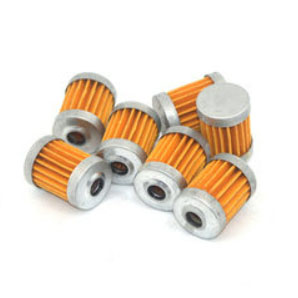
An Auto Oil Filter is a crucial component in a vehicle's lubrication system, designed to remove contaminants from engine oil, ensuring optimal performance and longevity. Selecting the right oil filter is essential to prevent engine wear, maintain oil quality, and enhance fuel efficiency. This article focuses on how to identify the correct oil filter for different vehicles, how to install it properly, and how to maintain it for extended durability.
Auto Oil Filters work by trapping dirt, metal particles, and other impurities that accumulate in engine oil. Over time, clogged filters can reduce oil flow, leading to engine damage. Modern vehicles require high-quality filters that meet strict manufacturing standards to maintain engine performance.
The following table outlines typical technical parameters for Auto Oil Filters, highlighting the key features that influence performance:
| Parameter | Description |
|---|---|
| Filter Type | Spin-on, Cartridge, or Magnetic |
| Material | High-grade cellulose, synthetic fiber, or blend |
| Micron Rating | 10-30 microns for effective filtration |
| Pressure Rating | 10-20 PSI operating, 100 PSI burst |
| Compatibility | Designed for specific vehicle makes and models |
| Capacity | Oil holding capacity 0.5-1 liter depending on size |
| Dimensions | Varies by vehicle application, typically 65-100mm diameter, 80-150mm height |
The replacement frequency of an Auto Oil Filter depends on the vehicle's manufacturer recommendations, driving conditions, and oil type. Typically, filters should be replaced every 5,000 to 10,000 miles or with each oil change. Regular replacement ensures optimal engine performance and prevents contaminants from circulating in the system.
Yes, low-quality filters may have inadequate filtration efficiency, leading to the accumulation of dirt, metal shavings, and sludge in the engine. This can cause increased wear, reduced performance, and even engine failure. Choosing high-quality filters ensures reliable oil flow and protection.
Identifying the correct filter requires referencing the vehicle's manual or using online compatibility tools provided by manufacturers. Key factors include filter thread size, oil capacity, and micron rating. Ensuring a proper fit guarantees maximum filtration efficiency and prevents leaks or malfunctions.
Choosing and maintaining the right Auto Oil Filter is crucial for engine longevity, efficiency, and performance. High-quality filters, combined with proper installation and regular maintenance, ensure clean oil circulation and prevent costly repairs. TRF provides a range of premium Auto Oil Filters designed for compatibility across multiple vehicle brands and models, delivering reliable protection and consistent performance.
For further inquiries or to explore the TRF Auto Oil Filter range, contact us today and receive expert guidance tailored to your vehicle’s requirements.