
Abstract: Heavy Truck Air Filters are crucial components that ensure engine longevity and efficient performance. This article explores detailed specifications, selection criteria, common issues, and maintenance tips for Heavy Truck Air Filters. Readers will gain comprehensive insights to make informed purchasing decisions and maintain their trucks at peak efficiency.
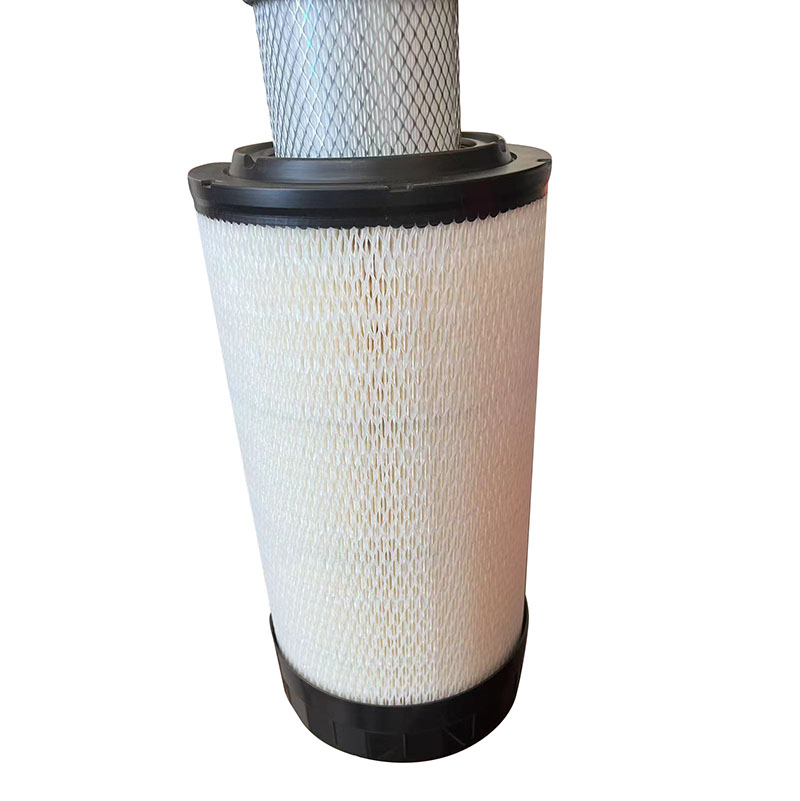
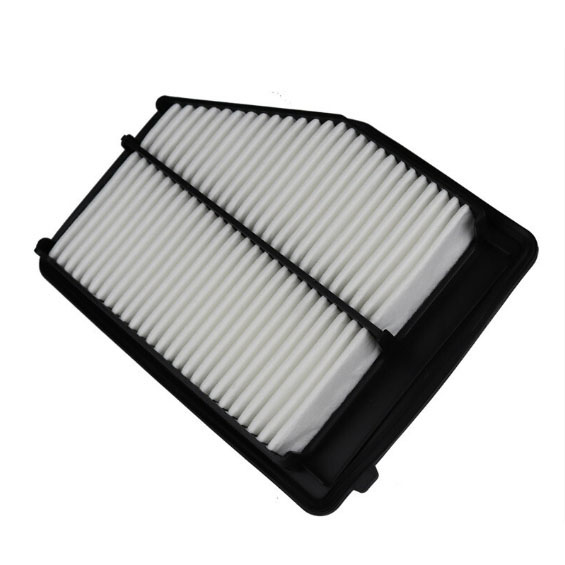
Heavy Truck Air Filters play a critical role in maintaining engine health by filtering dust, dirt, and other contaminants from the intake air. A high-quality air filter enhances fuel efficiency, reduces engine wear, and ensures optimal performance under heavy-duty operating conditions. This article provides an in-depth look at the technical parameters, selection criteria, and practical guidance for Heavy Truck Air Filters, aiming to empower fleet managers, truck operators, and mechanics with actionable knowledge.
Heavy Truck Air Filters vary in design, material, and filtration efficiency depending on engine requirements. Below is a summary of key specifications:
| Specification | Details |
|---|---|
| Filter Type | Paper Element, Foam Element, Synthetic Fiber |
| Filtration Efficiency | 99.5% for particles ≥5 microns |
| Dimensions | Outer Diameter: 200-500mm, Inner Diameter: 150-400mm, Height: 150-600mm |
| Operating Temperature | -40°C to 120°C |
| Service Life | 20,000 - 50,000 km depending on environment |
| Material | High-quality cellulose, synthetic fiber, and metal end caps |
| Compatibility | Compatible with major heavy truck brands such as Volvo, Scania, MAN, Mercedes-Benz |
Selecting the correct air filter requires consideration of engine type, operating conditions, and environmental factors. Key factors include:
Choosing the right filter ensures reduced maintenance costs, longer engine life, and consistent truck performance.
Regular maintenance of Heavy Truck Air Filters can prevent engine damage and improve performance. Best practices include:
A1: Replacement intervals depend on operating conditions and engine type. Standard recommendations range from 20,000 km to 50,000 km. Dusty environments may require more frequent replacement to prevent engine wear and maintain fuel efficiency.
A2: Yes, high-efficiency air filters reduce engine strain by maintaining cleaner airflow, which can optimize combustion and slightly improve fuel economy. However, efficiency gains are more pronounced when filters are properly maintained and replaced on schedule.
A3: Common indicators include reduced engine power, increased fuel consumption, unusual engine noises, and black smoke from the exhaust. Regular inspection helps identify clogging before serious engine damage occurs.
A4: Synthetic filters generally offer longer service life, higher dust-holding capacity, and better resistance to moisture. However, paper filters remain cost-effective and suitable for less demanding conditions.
A5: Fleet operators should track mileage, monitor filter pressure drops, and adapt replacement schedules according to operating environments. Integrating predictive maintenance systems can further optimize filter lifecycle and reduce downtime.
Heavy Truck Air Filters are indispensable for maintaining engine longevity, performance, and fuel efficiency. Selecting the correct filter, adhering to maintenance schedules, and monitoring operating conditions are crucial steps for truck operators and fleet managers. TRF provides high-quality Heavy Truck Air Filters engineered for durability, superior filtration, and compatibility with major truck brands. For more information and personalized recommendations, contact us today.