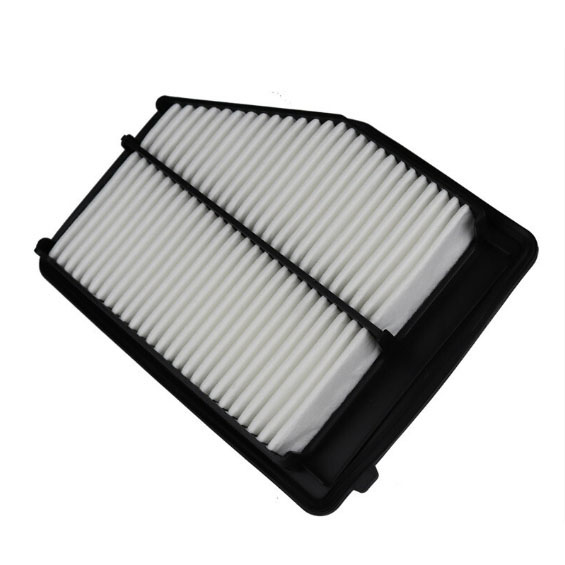

Auto Parts Oil Filters play a critical role in maintaining engine cleanliness, lubrication efficiency, and long-term vehicle reliability. This article provides a comprehensive analysis of how oil filters function within automotive systems, with a focus on structural design, material parameters, filtration mechanisms, and real-world applications. By addressing common technical questions and outlining industry development trends, the content aims to support informed decision-making for distributors, workshops, and fleet operators seeking stable and compatible oil filtration solutions.
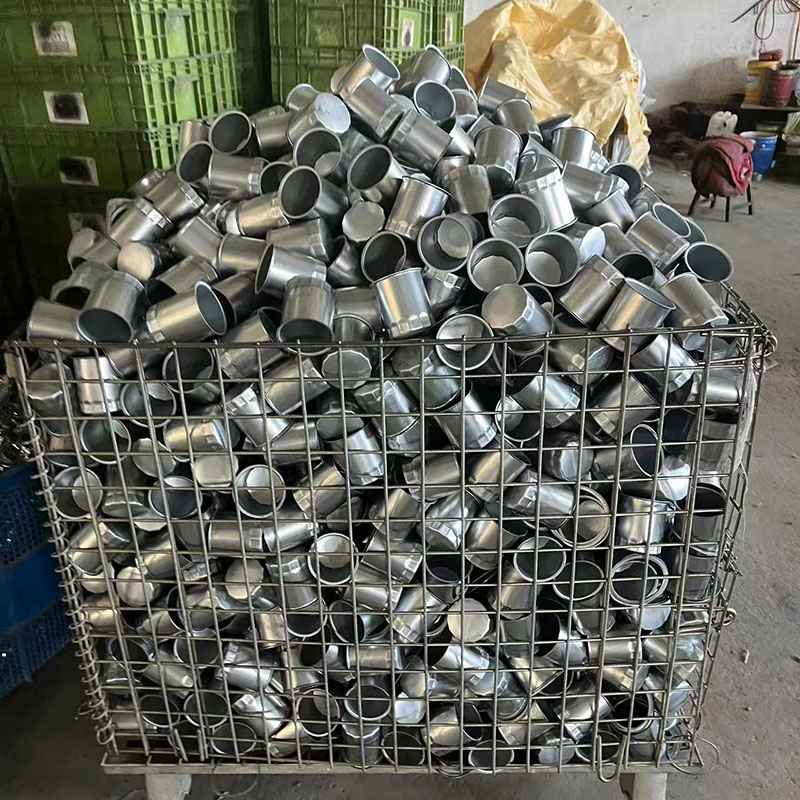
This article is structured around four core nodes, beginning with fundamental operating principles and extending to market-oriented perspectives. Each section builds logically to ensure clarity, technical depth, and SEO alignment for readers seeking authoritative information on Auto Parts Oil Filters.
An Auto Parts Oil Filter is an integral engine component designed to remove contaminants from engine oil during circulation. These contaminants may include metal particles, carbon residue, dust, and oxidation by-products generated during combustion and mechanical friction. The central purpose of the oil filter is to maintain oil purity, stabilize lubrication performance, and reduce wear on internal engine components.
This article centers on explaining how Auto Parts Oil Filters operate, how their structural parameters influence performance, and how they align with modern automotive requirements. Emphasis is placed on practical understanding rather than promotional description, ensuring relevance to local reading habits and professional automotive standards.
Professional evaluation of Auto Parts Oil Filters relies on measurable parameters that define filtration accuracy, durability, and compatibility. The following table summarizes commonly referenced technical specifications:
| Parameter | Description |
|---|---|
| Filtration Rating | Measured in microns, indicating the smallest particle size captured by the filter media. |
| Filter Media Type | Cellulose, synthetic fiber, or blended materials used for contaminant retention. |
| Operating Pressure | Maximum oil pressure the filter can withstand without deformation. |
| Bypass Valve Setting | Pressure threshold at which oil bypasses the filter to prevent starvation. |
| Anti-Drainback Valve | Prevents oil from draining back into the sump when the engine is off. |
| Thread Size and Gasket Diameter | Ensures compatibility with specific engine block designs. |
Oil filtration operates through a controlled flow process. As the oil pump circulates lubricant through the engine, oil enters the filter housing and passes through the filter media. Solid contaminants are trapped within the media structure, while clean oil continues to flow back into the engine lubrication channels.
The balance between flow rate and filtration precision is essential. Excessive restriction may reduce oil pressure, while insufficient filtration allows abrasive particles to circulate. Modern Auto Parts Oil Filters are engineered to maintain equilibrium under varying temperature and pressure conditions.
Vehicle compatibility depends on engine displacement, oil system design, and manufacturer specifications. Passenger cars, commercial trucks, and off-road machinery require different filtration capacities and structural designs.
Auto Parts Oil Filters are typically matched according to thread dimensions, gasket seating, bypass valve calibration, and oil flow demand. Correct selection ensures consistent oil circulation without leakage or pressure anomalies.
Oil filters accumulate contaminants over time. Once the media becomes saturated, filtration efficiency declines, and bypass activation becomes more frequent. Regular replacement aligned with oil change intervals is critical for maintaining engine cleanliness.
Extended service intervals require filters with higher contaminant-holding capacity and stable media integrity. Understanding operating conditions, such as urban stop-and-go driving or heavy-load usage, supports appropriate maintenance planning.
Advancements in engine design, including turbocharging and direct injection, increase thermal and mechanical stress on lubricants. Oil filter technology continues to evolve through improved synthetic media, reinforced housings, and enhanced sealing materials.
Electrification trends also influence oil filtration demand, particularly in hybrid systems where engine operation cycles vary. The Auto Parts Oil Filter remains relevant as long as internal combustion components are present.
Q: How often should an Auto Parts Oil Filter be replaced?
A: Replacement intervals typically align with oil change schedules, ranging from 5,000 to 10,000 miles depending on oil type, driving conditions, and engine design.
Q: How does filter media type influence oil cleanliness?
A: Synthetic and blended media offer higher filtration consistency and contaminant capacity compared to traditional cellulose, particularly under high-temperature conditions.
Q: How does a bypass valve protect the engine?
A: The bypass valve allows oil to flow unfiltered when pressure exceeds safe limits, preventing oil starvation during cold starts or filter blockage scenarios.
Auto Parts Oil Filters remain a foundational element of engine protection and lubrication management. Through precise filtration mechanisms, standardized parameters, and adaptive designs, they support engine longevity across diverse vehicle platforms. As automotive technology evolves, oil filter engineering continues to respond to higher efficiency and reliability expectations.
Within this context, Tongrunfeng provides stable and specification-aligned Auto Parts Oil Filter solutions suitable for varied market requirements. For detailed product information, technical consultation, or cooperation opportunities, interested parties are encouraged to contact us directly to discuss application-specific needs.